Achieving a deep green, weed-free lawn in East Texas isn’t about applying a single product and hoping for the best. Between sandy loam soils, heavy clay, humid summers, and erratic weather shifts from Tyler to Longview, maintaining healthy turf requires a strategic, year-round approach.
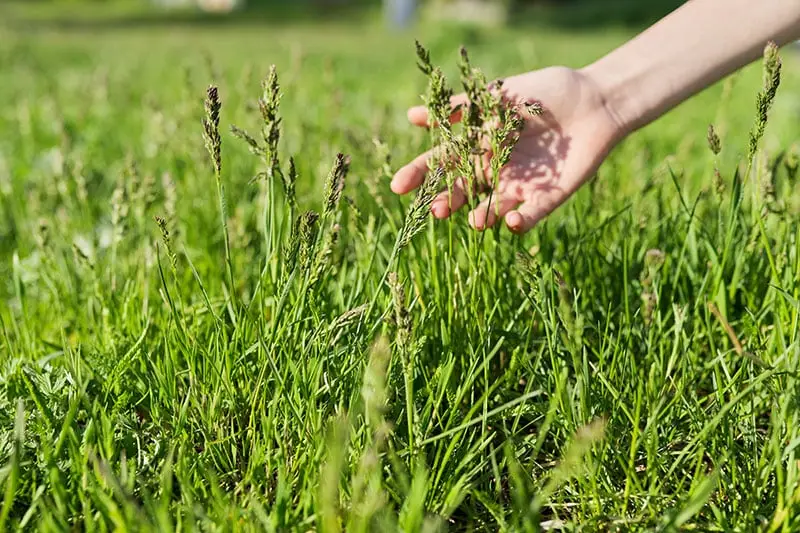
Without proper timing, invasive weeds like crabgrass, poa annua, and henbit will quickly take over your Bermuda, Zoysia, or St. Augustine grass. Worse yet, seasonal lawn pests like grubs, armyworms, and chinch bugs can destroy months of hard work in a matter of days.
At Cutting Edge Irrigation & Lawns, our 7-App Weed & Pest Control Program is engineered specifically for East Texas soils and weather patterns. Here is how our seasonal, seven-step treatment schedule protects your turf and roots year-round.
Step 1: Early Spring Pre-Emergent & Broadleaf Control (January – February)
Before your lawn wakes up from winter dormancy, summer weed seeds are already waiting under the soil for warm weather.
- The Goal: Prevent summer grassy weeds (especially crabgrass and goosegrass) from germinating while knocking out winter broadleaf weeds like henbit, chickweed, and dandelion.
- Why East Texas Timing Matters: Spring warmth often arrives early in Lindale and Tyler. Applying pre-emergents before soil temperatures consistently reach $55^\circ\text{F}$ is critical to lock down the soil barrier before weed seeds wake up.
Step 2: Late Spring Pre-Emergent & Turf Boost (March – April)
As warm-season grasses transition out of dormancy, they need protection against late-germinating weed seeds and a gentle boost to stimulate healthy root development.
- The Goal: Apply a second layer of pre-emergent protection to extend weed control into early summer, combined with targeted spot-treatments for emerging broadleaf weeds.
- Nutrient Support: We introduce balanced, slow-release micro-nutrients to support green-up without forcing excessive surge growth before late spring cold snaps pass.
Step 3: Early Summer Fertilizer & Surface Pest Barrier (May – June)
Early summer brings rapid turf growth—along with the first major wave of damaging East Texas lawn pests.
- The Goal: Feed your lawn with slow-release nitrogen for rich color and turf density while establishing a protective barrier against surface-feeding insects.
- Pest Focus: Early summer is prime time for chinch bugs in St. Augustine grass and fire ants building mounds across Bermuda turf. Preventing these pests early keeps your lawn thick so weeds cannot take root.
Step 4: Mid-Summer Turf Health & Preventive Grub Control (July – August)
The July and August heat in East Texas puts heavy stress on lawns, making turf highly susceptible to hidden underground pest damage and heat stress.
- The Goal: Apply specialized summer fertilization designed for heat tolerance, alongside a targeted systemic grub control treatment.
- Why Grub Control is Critical: June beetles and chafers lay eggs in your soil during early summer. By mid-to-late summer, hatched grub worms feed aggressively on turf root systems. A systemic treatment stops grubs before they sever your lawn’s roots.
Step 5: Late Summer / Early Fall Defense & Armyworm Shield (August – September)
As late summer transitions into fall, East Texas lawns face a double threat: lingering drought stress and devastating outbreaks of fall armyworms.
- The Goal: Inspect for pest activity, spot-treat stubborn summer weeds, and protect Bermuda and Zoysia lawns from armyworm defoliation.
- Armyworm Alert: Fall armyworms can march across an East Texas lawn and strip every green leaf blade to the dirt in under 48 hours. Our late summer treatment safeguards your lawn during peak armyworm migration.
Step 6: Fall Pre-Emergent & Winter Weed Prevention (October – November)
As warm-season grasses prepare for winter dormancy, cool-season weeds like Poa annua (annual bluegrass), rescuegrass, and broadleaf weeds begin germinating underground.
- The Goal: Apply a robust fall pre-emergent barrier to block winter weeds before they sprout, keeping your dormant lawn looking clean and uniform all winter long.
- Long-Term Benefit: Stopping winter weeds in late fall ensures your Bermuda or Zoysia turf doesn’t have to compete for soil nutrients or sunlight when spring returns.
Step 7: Winter Root Conditioning & Lime/Soil Micro-Nutrients (November – December)
Even when your lawn is brown and dormant above ground, the root system remains active below the surface throughout our mild East Texas winters.
- The Goal: Condition the soil, adjust pH levels, and supply essential root-strengthening minerals to help turf survive winter freezes and bounce back green in early spring.
- Soil Health: East Texas soils can lean acidic. Conditioning the soil during winter ensures fertilizer absorption is maximized once active growth resumes.
Pair Weed Control with Smart Irrigation for Best Results
Even the best 7-app weed and pest control program requires proper watering. Overwatering dormant turf causes fungal diseases like Large Patch (Brown Patch), while underwatering in summer weakens grass and allows drought-hardy weeds to invade.
At Cutting Edge Irrigation & Lawns, we don’t just spray your grass—we look at the complete picture, ensuring your automated sprinkler system delivers precise watering to match our treatment program.
Take Back Your Lawn with Cutting Edge Irrigation & Lawns
Stop fighting stubborn weeds, fire ants, and grub damage with over-the-counter DIY products. Trust the local experts who understand East Texas turf, soil, and pest cycles.
Call Cutting Edge Irrigation & Lawns today at 903-570-4331 or request a free quote online to enroll in our 7-App Weed & Lawn Pest Control Program!