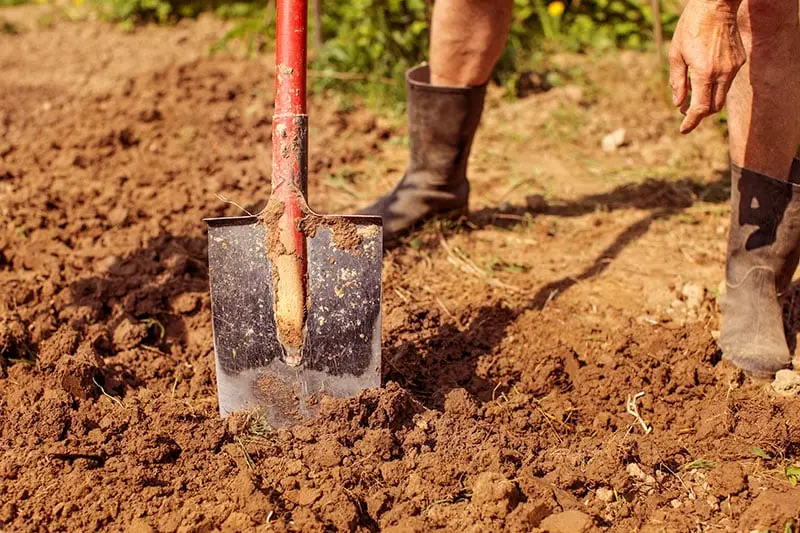
If you’ve ever tried digging a hole in Tyler, Lindale, or Longview during mid-summer, you already know the reality of East Texas soil: red clay. Clay soil bakes into a brick-hard crust in August and turns into a sticky, waterlogged sponge during spring rains.
For many homeowners, heavy clay feels like a landscape death sentence. However, clay soil actually holds onto nutrients better than sandy soils—the secret to success lies in choosing plants that tolerate compact conditions and setting up an irrigation schedule that prevents suffocating roots.
Understanding what thrives in local clay and how to water it without drowning your landscape is key to success.
Top Native & Adapted Plants for East Texas Clay
To build a low-maintenance landscape, pick hardy species that tolerate wet winter roots and dry summer soil:
Shrubs & Accent Plants
- Loropetalum (Chinese Fringe Flower): Thrives in East Texas acid-clay soils, offering rich purple foliage and hot-pink blooms.
- Texas Sage & Dwarf Yaupon Holly: Highly drought-tolerant once established, featuring tough root systems that break through dense soil.
- Knock Out Roses & Abelias: Extremely reliable blooming shrubs that handle clay as long as beds have basic drainage.
Perennials & Flowers
- Black-Eyed Susan (Rudbeckia) & Purple Coneflower: Native powerhouses that attract pollinators and handle heat and heavy soil effortlessly.
- Salvia (Autumn Sage): Produces brilliant red, purple, or pink blooms while resisting deer and drought.
Trees
- Crepe Myrtle & Southern Magnolia: Outstanding performers across East Texas that anchor deep root networks into clay.
- Bald Cypress & Red Maple: Perfect for lower spots in your yard where clay holds excess moisture after rainstorms.
The Clay Soil Irrigation Trap: Overwatering vs. Hard Bakes
Watering clay soil like sandy loam guarantees plant loss. Clay particles are microscopic and tightly packed, creating two major watering hazards:
- Root Rot (Fungal Decay): Because clay drains slowly, daily high-pressure sprinkler runs leave roots sitting in stagnant water. Without oxygen, roots rot and plants die.
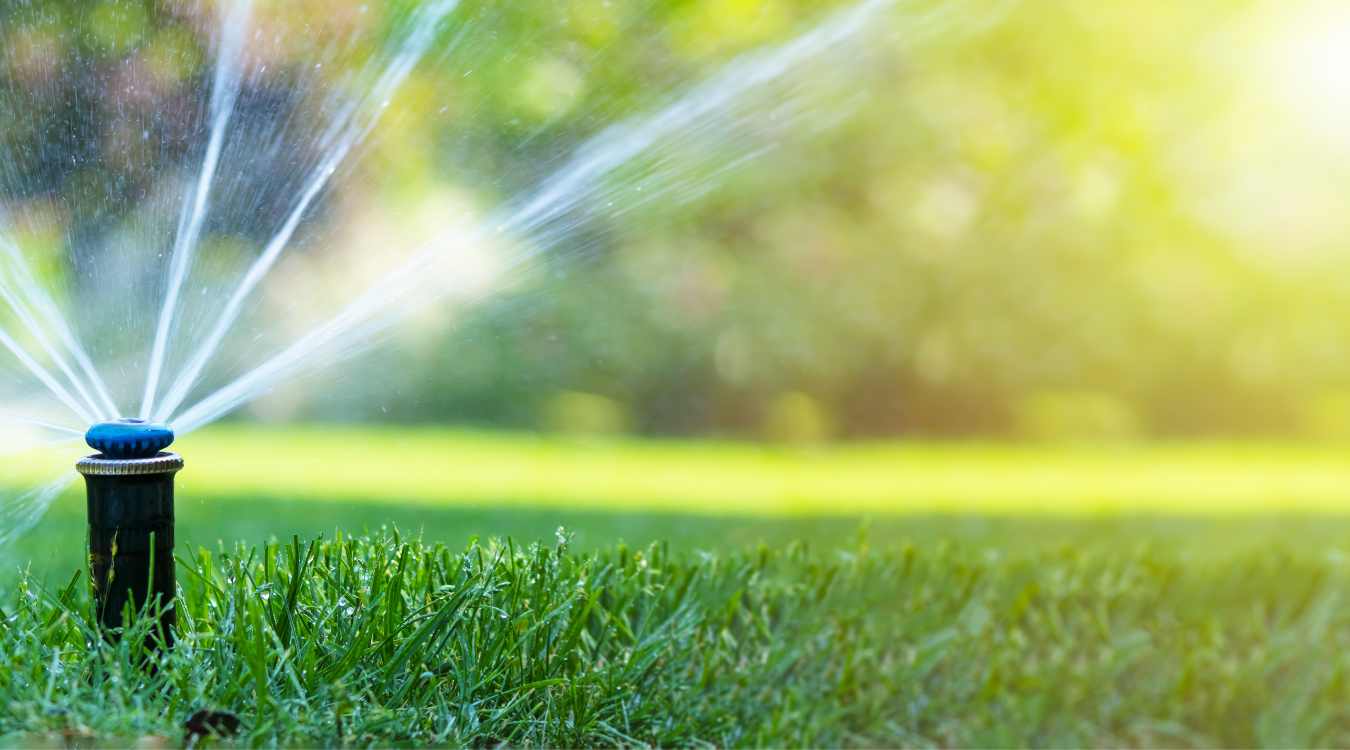
- Surface Runoff: Once top-layer clay bakes under summer sun, it repels water. High-volume spray nozzles simply wash topsoil and mulch away into the driveway.
3 Smart Irrigation Strategies for Clay Soil
- Convert Beds to Drip Irrigation: Replace overhead spray nozzles with micro-drip tubing. Drip emitters apply water slowly (in gallons per hour rather than gallons per minute), giving dense clay time to absorb moisture without pooling.
- Use “Cycle & Soak” Smart Programming: Program your irrigation controller to run shorter cycles with built-in pauses (e.g., three 5-minute runs separated by 30-minute breaks). This breaks through the baked top crust and forces water deep into the root zone.
- Amend with Expanded Shale & Compost: When planting new shrubs or flower beds, mix organic compost and expanded shale into the native red clay. Expanded shale opens up physical pore space in clay, permanently improving aeration and drainage.
Master Your Clay Soil with Cutting Edge Irrigation & Lawns
Don’t let red clay stunt your plants or ruin your lawn. At Cutting Edge Irrigation & Lawns, we design custom drip irrigation zones, adjust controller schedules for heavy soil, and install landscape drainage solutions across Tyler, Lindale, Longview, and surrounding East Texas communities.
Call Cutting Edge Irrigation & Lawns today at 903-570-4331 or request a free quote online to optimize your flower beds and landscape irrigation!